BOOK YOUR AIARE REC 1 CLASS MOST WEEKENDS IN DEC-MAR
| Date | Coverage | Network/Platform | Time (ET) |
| Sat., Oct. 22 | Women’s GS (Run 1) — Soelden | Peacock | 4 a.m. |
| Women’s GS (Run 2) – Soelden | Peacock | 7:05 a.m. | |
| Sun., Oct. 23 | Men’s GS (Run 1) — Soelden | Peacock | 4 a.m. |
| Men’s GS (Run 2) – Soelden | Peacock | 7 a.m. | |
| Sat., Nov. 12 | Women’s Parallel (Qualifying) — Lech | Peacock | 6 a.m. |
| Women’s Parallel (Finals) — Lech | Peacock | 12 p.m. | |
| Sun., Nov. 13 | Men’s Parallel (Qualifying) — Lech | Peacock | 4 a.m. |
| Men’s Parallel (Finals) — Lech | Peacock | 10 a.m. | |
| Sat., Nov. 26 | Women’s GS (Run 2) — Killington | NBC, Peacock | 12:30 p.m. |
| Sun., Nov. 27 | Women’s SL (Run 2) — Killington | NBC, Peacock | 12:30 p.m. |
NASTC’s All Conditions/All Terrain (Levels 7-9)
Dates: March 1-2, 2027
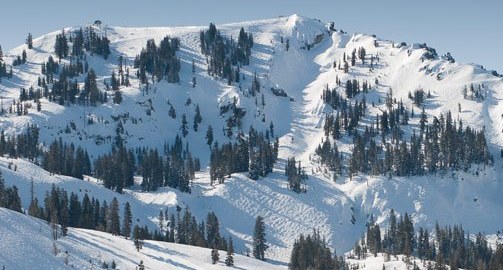
The All Terrain/All Conditions course is NASTC’s trademark full immersion course designed to get you off that intermediate or advanced plateau. When we began in 1994, this extremely popular course was the first thing we offered…at Sugar Bowl! Our highly experienced and nationally ranked coaches will help you make the changes you need to meet your skiing goals. Your goals are our goals! Through a successful methodology including breaking down your skiing to its fundamentals, reviewing the building blocks of high-level skiing, video, equipment discussions, fitness recommendations, practical technique/tactics, and lots and lots of mileage, our top trainers will guide you through our step-by-step progression towards improved skiing mastery.
Perched on top of Donner Summit, Sugar Bowl is Tahoe’s king of snow: most, lightest, best. And Sugar Bowl has it all when it comes to terrain: steeps, glades, open bowls (hence the name!), groomers, bumps…we are looking forward to skiing with you and sharing this fun, diverse, and historic resort with you. It is a mountain that naturally forces improvement…the terrain is part of the teaching. NASTC started at Sugar Bowl in 1994. We based and ran camps here for 25 years there, so we are excited to return after a brief break!
Sample Training Day at NASTC Sugar Bowl Camps:
8:00-8:30am – Welcome, meet/greet, stretch & movement prep. Establish the day’s schedule and goals.
9:00am-12:00pm – On snow: skill development via drills and technique work, terrain exploration.
12:00pm-1:00pm – Lunch with your group.
1:00pm-3:30pm – On snow: video, free-skiing varying conditions and terrain, personal feedback.
5:00pm-6:00pm – Indoor clinic in private viewing room: video viewing / technical session
6:30pm – Banquet Dinner (day 2 of 3) at The Sugar Bowl Village Lodge Hotel
To get more information or to enroll:
Text or call 530-386-2102 or email [email protected]
STAY AT SUGAR BOWL DURING THIS COURSE!
Your day belongs on the mountain, not in your car on I-80, nor in lines to park or load that first chair. So stay at Sugar Bowl! Have a true vacation, treat yourself. Bridging old-world charm with a hint of European flair, the Sugar Bowl Village Lodge Hotel offers a most memorable mountain getaway. There is nothing comparable in the States: you leave your car in a covered garage and ride a small gondola (built in 1953) to the Lodge! You get to enjoy these unique slopeside accommodations in this classic high-alpine lodge just steps from the lifts. Join us, and be whisked away to America’s only snowbound village! For no additional resort fee, amenities offered include the classic Dining Room, the inviting Belt Room Bar, the exclusive Sporthaus Fitness Center & Spa and more.
Photo courtesy Cath Howard
Skier or Rider Skill Level: strong intermediate to expert.
Price: $545 for the 2-day and $625 for the 3-day (includes the $40 materials and online fee)
(deposit of $200 required to hold spot) VENMO @JENNY-FELLOWS-3
NASTC was one of the first AIARE schools in Tahoe. The AIARE curriculum is a 3-day intensive seminar designed to give you an understanding of avalanche formation, “nature’s billboard” observation skills, the ability to use an avalanche transceiver and probe and how to dig a snow study pit. This is a minimum amount of know-how if you want to travel, ski or ride in the backcountry or sidecountry safely. There is time spent daily in the classroom and in the field.
The goals of the course are:
We will send you an updated itinerary as we get closer to the start of the course. This schedule may change slightly based on the group, weather, etc. If you have any questions, please do not hesitate to call the NASTC office.
Avalanche Kit Rental (beacon, shovel, probe) $25/day
Visit our site for the 1-day Rescue Course, the AIARE Level 2 and Backcountry Guiding.
Background info:In 2018 AIARE (The American Institute for Avalanche Research and Education) created both a recreational and a professional path for avalanche education providers. As a provider for 15 years, NASTC offers the “AIARE Level 1” and “AIARE Level 2” courses for the general public. We also offer the Pro 1 (for professionals such as ski patrol and guides) upon request. You can also see avtraining.org for more info.
Fun short video of great powder skiing, NASTC smiles, and fun!

Heart of the Alps, All-Mountain Adventure in NASTC’s European birthplace! We’ve run many camps and spent entire seasons working in St Anton!
Itinerary:
Friday – depart US, arrive Zurich or Munich Saturday morning, take train to St Anton, walk across street to Grieshof, check in after 3pm
Saturday – group meeting at 5:45pm. Dinner at 6:30pm.
Sunday – Friday – guided skiing for 6 full days at St Anton+surrounding resorts. Breakfast and dinner daily at Grieshof.
Saturday – depart by train to Zurich or Munich, fly home this evening or Sunday. (If flying Sat, make flight after 1pm)
When non-skiers think of Austria, Mozart and pastries might come to mind. But ask any skier what is the first thing that comes to mind when they think of Austria……POWDER! And lots of it! Austria is a pipe dream destination for most North American skiers. Alpine chalets among vast fields of powder, cozy mountain restaurants serving up the best of Alpine cuisine, fluffy down comforters to wrap your weary body in and seemingly endless runs where every bend and dip reveals another mind blowing view. Spend a week living the dream and squeeze every ounce of elation out of the experience as NASTC guides and instructors lead you through this Tyrolean wonderland. This Tyrolean village in the heart of the Austrian Alps knows how to win over skiers. Its a big change from your typical U.S. resort experience. Envision leaving your own track in fresh powder as you descend from up high on the mountain into one of the neighboring villages. At day’s end decompress and warm up with a cup of the richest hot cocoa you’ve ever had or a glass of traditional gluhwein (mulled wine) at one of St Anton’s many vibrant apres ski spots that range from warming huttes on the side of the run to bustling bars and fancy cafes down in the village center. After taking your boots off, head for the spa and enjoy the sauna or thermal shower, stretch and soothe your body in the heated indoor swimming pool and hot tubs. Dinner is an elegant and civilized affair, a celebration of food with a range of Tyrolean cuisine and international influences. When you’re ready to call it a night, head upstairs to your cozy room, wrap up in the fluffy down comforters, stare at the beautiful winter scene outside your windows, and drift off to sleep.
After a hearty traditional breakfast with selections that include locally cured salami, fresh bread, eggs, cereal, yogurt and more you are energized and ready for another full day of skiing that includes an itinerary of challenging exercises, one-on-one coaching, situational skiing and an off-piste adventure. Take your mid-day break at one of the slope side chalets and refuel with a delicious bowl of spaghetti bolognaise, goulash or the European skier’s favorite bratwurst and fries. Continue on with the rest of the day and your Austrian alpine adventure with your coach and guide leading the way to exciting, off-the-beaten-path terrain that will fill your memory bank with unforgettable experiences and vistas.
Chris Fellows’s Top Ten Off- Piste Ski Runs in St. Anton, Austria
I have been entranced with St. Anton, Austria since 1988 when I first attended the PSIA National Academy in Austria. I had never seen such vast ski terrain or mountains as big. The skiing opportunities are endless and the culture is ski centric with years of history and national pride in the Tyrol region. I have made a pilgrimage to St. Anton regularly since then and have always returned home with new and exciting stories and plans for the next trip.
In a nutshell the resort of St. Anton has 4 major sections: Galzig, Rendl, Gampen/Kapall and Valuga. The surrounding addtional resorts of Zurs, Stuben and Lech are easily accessible by skiing, bus and lift system. These areas also offer a variety of exciting off-piste objectives. St. Anton is the largest, but can get crowded on the groomed slopes during the high season. When there are crowds on the more popular runs, there is even more reason to venture out of the main stream of traffic.
Here are some of my favorite off-piste ski runs in St. Anton:
1. Bachseite- This is a north facing wall of steep off piste skiing that is easily accessed from the Galzig lift. It drops directly into the easy skiing down route number 4 SteiBbachtal (the Happy Valley). Bachseite is very popular and can get tracked up quickly on a powder day. Best to get there early while avalanche control is being done on the upper mountain. Bachseite is the true mother ship of the Galzig area and a great place to train for steep descents. Lifts- Galzig, Zammermoos, Osthangbahn, Tanzboden Difficulty-Moderate Vertical- 800M
2. Mattun- You can access Mattun either by The top of Kapall or by traversing skiers left off Schindlergrat chair. This run is huge with about 1000 M of vertical and many aspects and pitches. Avalanche danger is a high concern on this run and will be prone to slides in spring time as well as winter. This run also finishes in the Happy Valley for an easy ski out to Mattunbahn or Zammermoosbahn to Galzig. Lifts- top of Kappal, Schindlergrat Difficulty-Moderate Vertical- 1000M
3. Zwischen- This means “between” in German, its between the runs Osthang and Kandahar. This run is a classic warm up for the instructors at the Ski Academy in St. Christoph. The slope gradually steepens until it reaches three narrow gullies that are challenging and require precise short turns and quick feet. At the bottom you will find your self back on piste and you make your way back to Galzigbahn. This run will surely test your short turn technique. Lifts- Galzig Difficulty-Moderate – Difficult Vertical- 800
4. Schindlerkar Chutes- The options are many off this peak but one of my favorite is the Schindlerkar chutes. You access this by circling left off the chair lift and traversing above the prominent chutes that funnel out to the Stubin side of the peak. These lines are committing and require confidant technique. Easier options are available where the group can reassemble at the exit of the chutes. One of my favorite lunch spots is at the finish of this route. The Ulmer Hutte has the best apple strudel on this side of the mountain. Lifts- Schindlergrat Difficulty- Difficult Vertical- 500
5. Maienvasen- This run starts at the top of the Galzig. This wide open bowl funnels into steeper terrain with skiable ridge lines and sometimes fluted snow drifts. The snow can be excellent, however later in the day as it warms the snow can become tricky and sticky. The exit requires some sidestepping but a path through the woods soon delivers you to an on slope hutte called Senn. As a young ski instructor I would end all my classes here for a refreshment before skiing down to the village. Lifts- Schindlergrat Difficulty- Difficult Vertical- 500
6. Schimmelegg- This slope is the prominent nose off Rendl. After taking the Gampberg lift follow a wide ridge facing north west. This ridge may have wind effected snow and deep wind ribs keep speed down here. Once you are into the open snowfields excellent powder can be had. As you hit the tree line head right toward the bottom of hinter Rendl. You can follow a well tracked path out to the Rendl home run. I have had some of my best NASTC powder runs in St. Anton here. Lifts- Gampberg Difficulty- Moderate Vertical- 1150M
7. Valluga Nord- The exposed top station of the Valluga can be intimidating with huge exposure on every side. But a safe and often skied decent skirts the back side of the Valluga and rolls into enjoyable slopes that finish in Zurs. This is a guided only tour due to the restrictions on the lift. I usully make this full day tour that will include exploration of Zur’s off piste lines as well as a incredible lunch at the Golden Croix a world famous on hill lunch spot. Lifts- Valluga I, Valluga II Difficulty- Moderate, difficult Vertical- 900M
8. Schongraben- off the top of the Kapall lift Go towards the north east facing slopes. Follow moderate rolling terrain to the bottom of the Schongraben T-bar, either take the T-bar back up for more powder or drop down into narrower gullies that descend into good tree skiing. As you continue down you will cross a tobobban run road and will take that down to Nasserein. Lifts- Kappalbahn Difficulty- Moderate Vertical- 1000M
9. Langen- The first time I did this run I was blown away at the amount of consistent quality vertical we got. Route finding is a challenge and their exist many avalanche terrain traps. Passing the Kalltenberghutte you descend long moderate slopes into excellent tree skiing. The long runs are a mix of interesting terrain features that end in a sweet smelling pine forest. The snow covered exit road meanders down to the village of Langen where a train can be caught back to St. Anton. Another option back is to catch a taxi to Stuben, have lunch at Hannes Schnider’s haus and ski more off-piste on in Stuben until closing time. I have 10 favorite off-piste runs just in Stuben alone. Lifts- Albonagrat, Sonnleitenlift Difficulty- Moderate Vertical- 1200M
10. Hinterer Rendl- This northeast facing valley is an adventure playground of off-piste skiing. From top station drop into wide open valley, several routes can be taken depending on your commitment level. The potential of getting cliffed-out is high if you don’t know where you are going. Route finding through the valley is easier with clear skies and good light. This big valley holds a lot of snow and has caught may unsuspecting skiers in slides. The skiing is easy to moderate depending on your line. The exit winds through a forest and contours back out to the Rendl home run. Very FUN! Lifts- Riffelbahn 2 Difficulty- Moderate Vertical- 1350M Endless Possibilities on Albona
*The ratings I give these runs can change considerably as conditions and weather change. Ski with caution, with avalanche rescue equipment, and with a guide.
Craving international travel? Latin America was one of the first to open up and we’re going to Portillo, Chile! Book with us now to this unforgettable destination and improve your skiing. Get off that intermediate or advanced plateau finally and reach a new comfort level in all conditions and terrain. Its one of our favorite international ski training playgrounds, as the immense Andean mountains offer long, steep runs, and the hotel offers luxurious accommodation and sumptuous dining. Call to discuss if this is the trip for you, space is limited and quickly fills with returning NASTC students. August 7-14. Travel overnight Aug 6-7 and 14-15.
AUGUST 7-14, 2021 WE ARE PLANNING TO GO (depart Friday Aug 6 and arrive home Aug 15)
Portillo is South America’s premiere ski resort, famous for its majestic setting and deep snow. Once you go, you’ll never want to leave. NASTC will be celebrating its GOLDEN+1 ANNIVERSARY 26th season at Portillo. There is a reason we keep going back to this friendly, exclusive and exhilarating resort. Ski down to the glacier-blue Inca Lake or traverse into huge bowls amidst 15,000ft Andean peaks. With 14 lifts, 23 runs and all the snow of a maritime range, Portillo is home to big mountain extremists, world-class racers and everyday carvers; but amidst the social atmosphere of the living room and the late night disco, everyone is equal.
The NASTC ski training camp addresses the three major components to successful skiing performance: technique, fitness, and equipment. By addressing all 3 components in a full immersion multi-day ski training program you will make substantial improvements to your skiing. The NASTC staff is comprised of the top ski instructors in the United States, members of the PSIA National Alpine Team and the teachers of teachers. Your skiing will improve in a safe, fun, and highly professional way under their watchful eyes. You will ski in small groups with the same instructor all day, all week. Backcountry tour options exist, as does helicopter skiing on Weds our day off. This is the ultimate ski vacation: a superb mountain, fun-loving people, delicious food, fine wine and a beautiful hotel. You are sure to improve, make new friends, and enjoy yourself. Portillo is everyone’s paradise!
CLICK HERE FOR PRICES AND TO HOLD A SPOT ON OUR TRIP
BOOK A PRIVATE GUIDED TOUR OR TAKE OUR INTRO CLASS.
Private: Book your instructional tour on any day of your choice for yourself or your small group. Paypal your deposit below, or email [email protected] with date request. Available for half or full day. Pricing from $115-$495 pp
IBS Class: the Intro to Backcountry Skiing class will give you a solid start using the equipment and learning the skills you need to get out safely. The day includes: use of skins and AT bindings, setting a skin track, basic route finding, avalanche awareness, terrain selection, and how to plan a safe & fun day with your friends or family.
Dates: Thursdays, Saturdays, and Sundays Dec 12 – April 11
Price: $199 pp
Reservations and Deposits: Paypal tab below or email [email protected]
Ski Equipment Rental (boots, skis, skins) $55/day additional
Avalanche Kit Rental (beacon, shovel, probe) $25/day additional
If you were to compare the ski world to academics, Chamonix might be Stanford, a place where ski innovators thrive and boundary-pushers shred impossibly steep lines. Austria’s St. Anton, and the nearby Bundessportsheim, in particular, would be the Oxford of skiing—steeped in tradition and dedicated to excellence.
When Chris Fellows landed in St. Anton in 1988 on a trip from Tahoe, his entire outlook on ski instruction changed. He’d been an instructor at Heavenly and Squaw Valley, but ski instruction in the U.S. at that time was not a career. It was more of a couple-year stopover between college and the real world.
In Austria, Fellows gained a new perspective that set him on a path to found and grow the now-26-year-old North American Ski Training Center (NASTC) in Truckee, along with his wife Jenny.
To this day NASTC holds true to its Austrian inspiration in many ways. Chris leads the academy and Jenny handles the logistics and business side of the company. Together, their efforts have built an academy where immersive, technique-driven instruction is delivered by lifelong ski instructors dedicated to the craft. But in other ways, the organization has evolved over the years. Rock climbing courses, avalanche education and trips to the top international ski destinations have become an integral part of the training center’s growth.
Through skiing’s evolution on the West Coast, NASTC has been a mainstay, standing today as one of the oldest remaining founder-run ski and guiding outfits in the area—a testament to the dedication and vision of founders who saw a need for a higher level of ski training in the market.
“It’s taken a lot of heart and soul,” says Jenny.
Chris Fellows grew up skiing on a 240-foot-tall bump in the landscape in northern Massachusetts, where a T-bar ferried skiers up the slope. His parents would drop him off after school on icy evenings that always ended in a familiar ski position—not as a matter of technique, but simply as a result of his 1970s teenage outerwear and frigid New England winters.
“By the end of the day your leg was in a permanent flex because your blue jeans were frozen,” says Fellows.
Frozen jeans aside, Fellows fell in love with the sport. He became a ski instructor on the East Coast before eventually moving West, first to surf and then to ski. He taught skiing at Heavenly in 1985 and then moved to Squaw Valley in the late ’80s.
By then Fellows was considering his next move, which likely would involve leaving the mountains for a real job. But then he went on a trip to Austria with the Professional Ski Instructors of America.
When he landed in St. Anton, commonly referred to as the “birthplace of modern skiing,” he saw fully certified ski guides and instructors treating ski instruction like a lifelong endeavor. Clients came back year after year for the high-caliber instruction and the magnetism of the overall mountain experience. Guides owned the lodges, and made a full career out of their profession.
“That gave me the idea,” says Fellows. “I said, ‘I wonder if this can be done in the States?’ I didn’t see that type of setup here.”

FROM LEFT, NASTC FOUNDERS CHRIS FELLOWS, JENNY FELLOWS AND MIKE SODERGREN, PHOTO COURTESY NASTC
Fellows returned to the Tyrolean Alps for the better part of two winters. He taught the sport in the cradle of modern skiing history, but more importantly, he absorbed everything he could take in.
“You have to humble yourself,” says Fellows. “I felt comfortable in my skiing skills, but here I was in the birthplace of skiing, and I was humble and really open to learning.”
At the Bundessportheim, the pinnacle of professional Austrian ski instruction, Fellows saw instructors breaking down ski technique into fundamental movements and using repetition and muscle memory exercises to build beginners into confident, all-terrain skiers.
Fellows returned to the States determined to recreate what he had seen in Austria for American skiers. He had found a kindred spirit in Mike Sodergren, a fellow Squaw Valley ski instructor who shared his vision for a true European-syle ski academy.
Meanwhile, Chris met and married Jenny, who was taking a year off after graduating from Amherst College—and racing on its ski team—to explore Tahoe.
In 1994, Chris and Jenny Fellows founded the North American Ski Training Center with Sodergren as a key partner and head instructor. They dedicated themselves to the highest level of instruction and attracted instructors who shared that vision.
“We hired the PhDs of ski instruction,” says Jenny.
In 1994, the American ski industry was still maturing and finding its way. The American Mountain Guide Association had conducted its first ski guide exam and course only a year earlier, spearheaded by another Truckee guide, the late Bela Vadasz of Alpine Skills International.
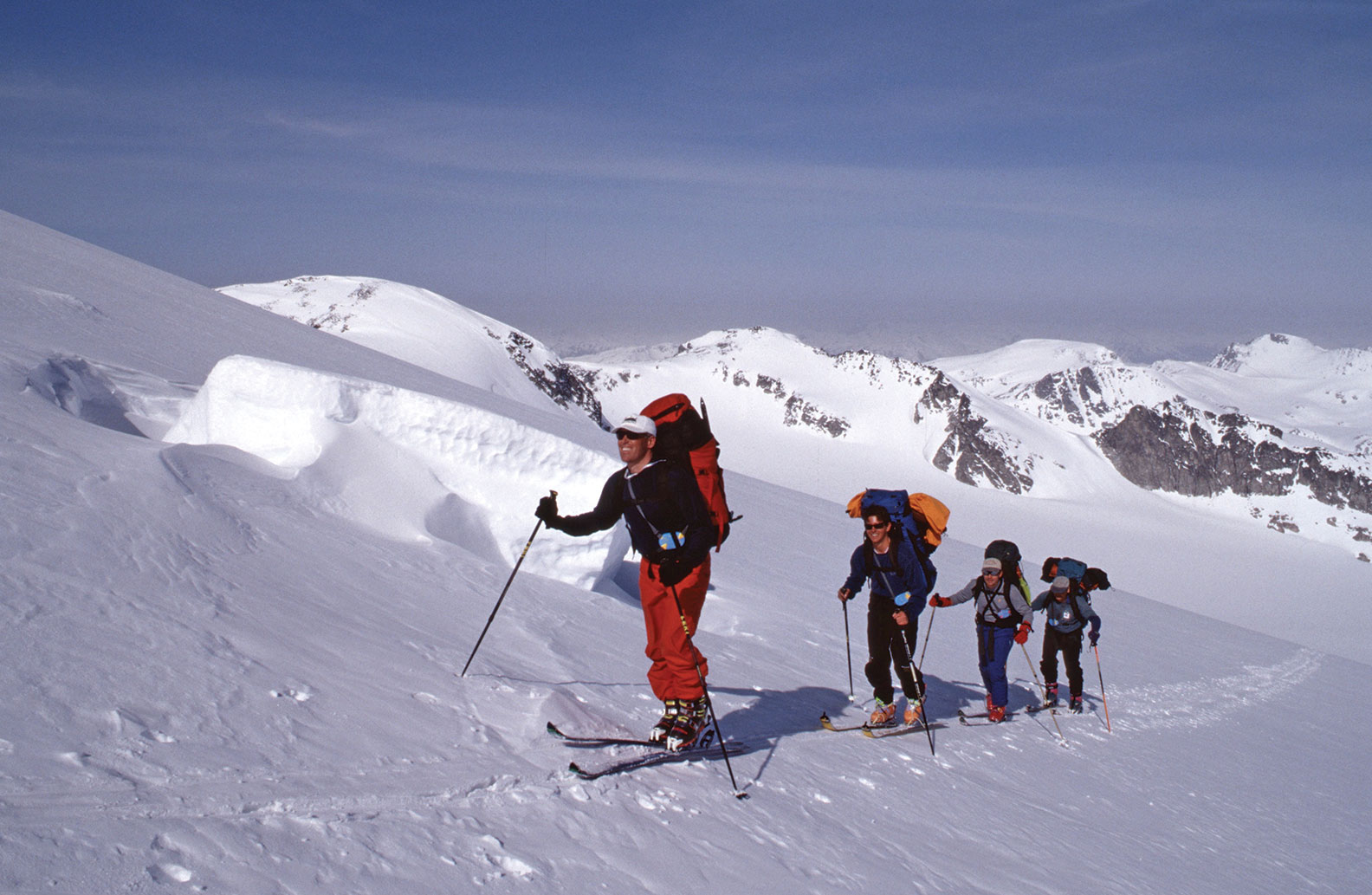
While NASTC at first embraced a technical, resort-oriented focus on ski instruction, as opposed to Alpine Skills International’s backcountry bent, NASTC soon began offering all types of ski instruction, including avalanche education and mountain guiding both locally and as far away as the Himalayas.
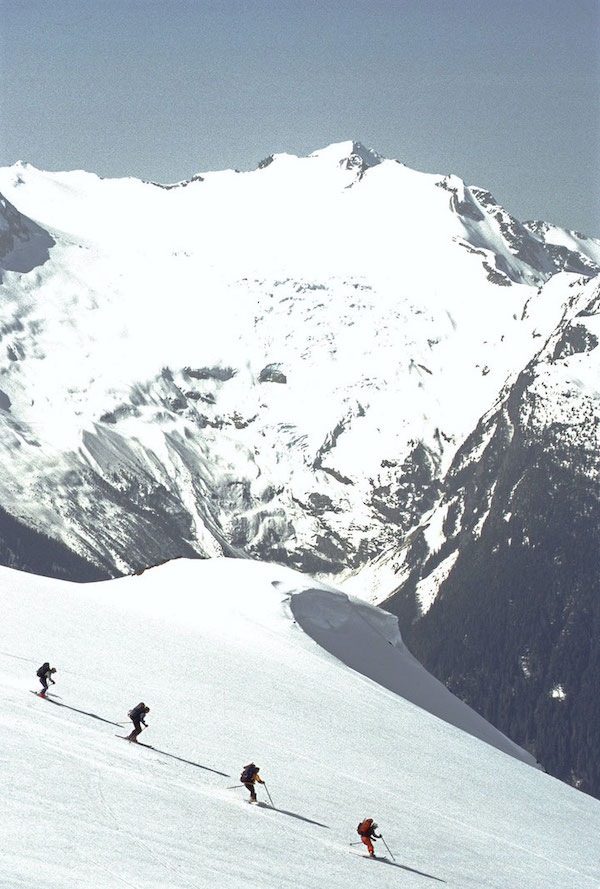
CHRIS FELLOWS LEADS A GROUP ON THE SCENIC SPEARHEAD TRAVERSE IN BRITISH COLUMBIA IN 1994
During the mid-1990s, American ski guides were putting their own unique stamp on the sport—and the tension between them and their European counterparts was apparent from the earliest days.
Doug Robinson, the first president of the American Mountain Guide Association (AMGA), recalls a hilarious, ill-fated attempt at cross-pond communication between the fledgling American organization and its European colleagues in an article he penned on the AMGA’s history.
“At first, the AMGA had no letterhead, which led us into conflict with the UIAGM (Union Internationale des Associations de Guides de Montagnes). In 1980, I wrote them a simple message: Hi, here we are, how can we join your club? But I sent it on my personal letterhead,” wrote Robinson in an article in the AMGA Guide Bulletin.
Robinson’s letterhead sported a photo of him bouldering in the Buttermilks outside of Bishop, “shirtless, dirty shorts, long hair flying.”
The buttoned-up European guide executives did not find the photo amusing. Their terse reply, complete with the letterhead photo repasted atop their response, read: “This is not a mountain guide. This is a monkey who works without a net.”
That letter became known as the infamous “Monkey Letter,” and American guides began a long-running joke that the missive, signed by Secretaire General Xavier Kalt, was the European guide establishment giving the Americans the “Kalt Shoulder.”
But despite the cultural missteps, American guiding desperately sought the legitimacy, and structure, of international guide association inclusion. This happened slowly over the mid-90s. By 1997, the AMGA was officially accepted into the IFMGA (International Federation of Mountain Guides Association).
“At long last, representatives from the IFMGA member countries voted unanimously to admit the AMGA into the IFMGA. Because they had already received their Alpine, Rock, and Ski certifications before AMGA was accepted, Mark Houston and Bela Vadasz were also named IFMGA guides at this time,” wrote John Cleary, former AMGA president, in the association’s Guide Bulletin. “This was the most significant event in the history of the AMGA.”
Cleary was instrumental in the growth of NASTC as well. As a founder of Sierra Mountain Guides, he held the permits for a large swath of the Sierra Nevada. When he decided to leave guiding and pursue his other passion, geology, he sold the permit for the Tahoe area to NASTC. Sierra Mountain Guides, now under the ownership of Howie Schwartz, continues guiding in the Eastern Sierra under the Inyo County permits.
Twenty-six years later, it doesn’t surprise Cleary that NASTC is still thriving in the Tahoe area, especially as he has seen their program at work over the years on guiding trips.
“They are good guys, always professional, focused on everyone having a good time,” says Cleary. “Some of the most fun I ever had was working with those guys.”
The maturation of American guiding and the rise of companies like NASTC solved one of the issues Fellows saw early in his career: Ski instruction and guiding was once a temporary seasonal job staffed by college grads before joining the real workforce, or a career that forced serious guides to move to Europe to make a living in the industry. Because of the work of AMGA pioneers and American ski visionaries, instructing became a viable career. This benefitted both the guides and their clients.
Owning and growing a ski academy has presented intense challenges as well as deep rewards to the Fellows. The clients, guides and partners have been the highlight of a long career teaching generations of skiers.
“It is a really good industry to be in,” says Jenny Fellows. “The mountain sports world is full of very good, very generous people.”

MIKE SODERGREN, AKA SODY, AT BLACKCOMB, BRITISH COLUMBIA, CIRCA 1995, PHOTO COURTESY NASTC
One of those people was Sodergren, who helped guide the early vision of NASTC from idea to reality. “Sody,” as he was known, dedicated his life to skiing, working with NASTC in the North American winter and then chasing snow in the Southern Hemisphere the rest of the year.
In the summer of 1997, Sodergren’s pursuit of snow brought him and his wife Mariam to Thredbo, Australia, to teach skiing as they had in years past. The Tahoma couple were staying in a lodge at the base of the ski resort when a landslide let loose and buried the lodge in dirt and debris. The Sodergrens died in the tragic accident, along with 17 others.
“That was a life-changer, having your best friend perish like that,” says Chris Fellows. “He was our main guy. He was the first coach.”
Despite the devastating loss, the Fellows soldiered on, continuing to build NASTC into the company that Sodergren envisioned. For the Fellows, that means leaving clients with the skills that will transform their skiing for the rest of their lives.
“A lot of ski services bring people into terrain and put them on fat skis and say, ‘Go for it.’ But we’ve been more focused on perfecting technique,” says Fellows.
Fellows’ approach to lifelong ski progression can be seen in his writing, a passion that has resulted in three published books, including Total Skiing, which retired World Cup alpine racer Marco Sullivan says breaks down skiing to its “simplest and purest form.”
That dedication to the craft of skiing has resulted in clients who went on NASTC ski trips 26 years ago and still come back for the training and experiences today.
“That is the only reason we have been able to stay in business, because that core client trusts us and believes in us,” says Fellows.
Through it all—droughts, a global pandemic that shut down international travel and personal tragedy—NASTC has continued to adapt, evolve and innovate, while always staying true to those immersive academy roots inspired by a trip to Austria more than 30 years ago.
“We still occupy the niche we were founded on,” says Jenny, “which is advanced ski camps at the best resorts in the world led by the best instructors.”
David Bunker is a Truckee-based writer and editor.