Author: Ski NASTC

  • PSIA Skate to Ski Event July 29

    Super cool events in less than 2 weeks – put on your calendar now!

    PSIASkatetoSki2017

    The PSIA/AASI Western Division is hosting a summer educational event series! These events below are open to members and non-members.

    Saturday July 29 – Skate to Ski clinic at Tahoe Donner
    This event emphasizes and combines the benefits of inline skating to enhance your fitness IQ, and specific skill development for Alpine skiing. Beginners through advanced skaters welcome! The camp fee is $80 which includes demo skates and protective gear from Rollerblade for those who are registered by JULY 20th (demo skates can be purchased on-site should you decide to keep them). Late registrations will need to provide their own gear.

    Registration details for members: http://psia-w.org/event/skate-to-ski-camp-2/
    For non-members: http://psia-w.org/event-registration/

    Cross-training videos with our partner Rollerblade: http://www.rollerblade.com/…/s…/skate-to-ski-cross-training/

    Sunday July 30 – Nordic Walking for Total Fitness at Tahoe Donner
    This event combines the outdoors with LEKI Nordic Walking Poles for the ideal fitness activity including cardiovascular training for hard core athletes, functional spine health, balance and stability, and more. The clinic fee is $80 (which includes Nordic walking poles for the clinic). This event is open to all levels of fitness and offers low impact options for those who are new to Nordic walking or recovering from injury.

    Cross-training videos with young athletes: https://www.youtube.com/watch?v=O7XYleF_Wrk

    Registration details for members: http://psia-w.org/event/nordicwalking/?instance_id=615
    For non-members: http://psia-w.org/event-registration/

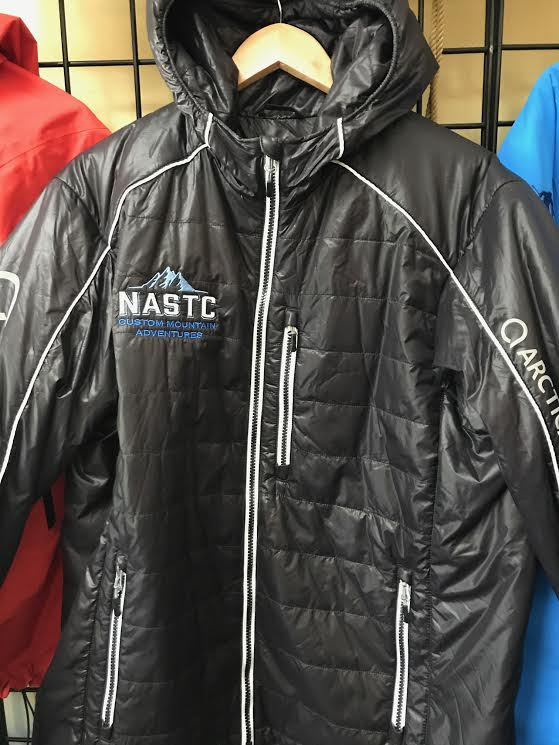
  • Want this Jacket? Join Email List!

    Flying the NASTC colors?
    Limited Edition 2017 Trainer Jacket
    First Come, First Serve
    Click here for Info
    And…only a few spots left! Read more about NASTC’s Adventure Ski Training Vacation August 12-19 in Portillo, Chile
    DONNER PASS CLIMBING
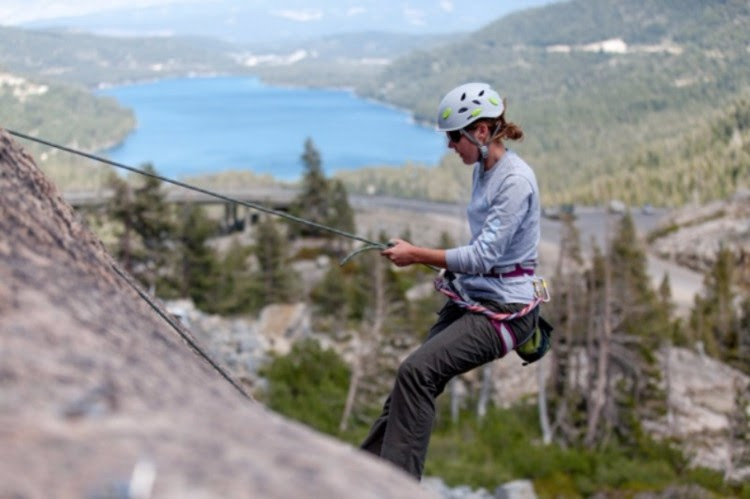
    Get out & enjoy rock climbing on Donner Pass with professional guides from NASTC. All levels welcome from first-timers to experienced climbers. All equipment is provided. Next-day reservations available (email) or 530-386-2102

    2018 CLINIC DATES

    Most of our 2017-2018 ski season dates are loaded, check it here and ask us any questions anytime. What is right for you? Where will your skiing most improve? When do you need to sign up? What skis should you bring? Who are the Instructors? 

    BONUS QUESTION

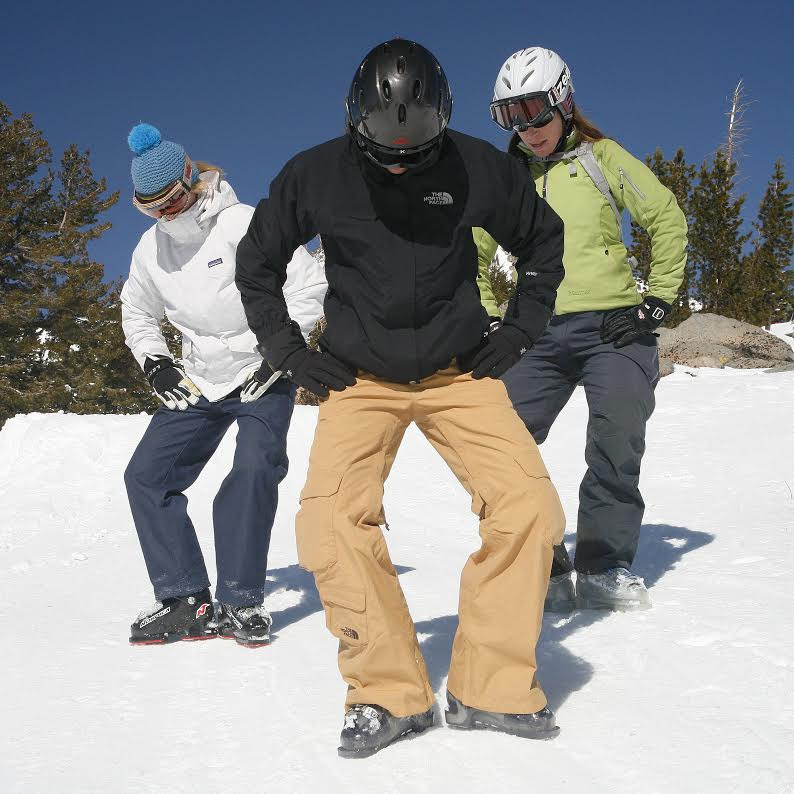
    What might these women be doing? Recognize anyone? Yes this is a ski clinic, one we held at Squaw Valley some years ago. Sometimes you have to take off your skis to feel a new movement pattern. Just one of many methods to get you skiing better, and feeling better! Can’t wait til winter? Join us in Portillo! 

  • TIME TO GO CLIMBING

    Not too early to think about booking your summer rock climbing adventure with us. We are taking reservations for privates, groups, families, kids, retreats, wedding activities, corporate groups, and more. Our group of certified rock guides is ready to take you to new heights on Donner Summit, 15 minutes from Downtown Truckee, 10 minutes off highway 80. All the equipment and your personal climbing gear is provided, you just show up in athletic clothing and a water bottle! We recommend a half day if you’re just starting (4 hours in the morning or afternoon). More info and reservations: 530-386-2102 or [email protected].

  • Effortless Power VS Powerless Effort In Skiing

    By Chris Fellows

    The first in a series about how advanced skiers can continue to improve despite limited days on the slopes. These insights come from a proven NASTC approach that has transformed our students’ skiing giving them access to more terrain, ingrained efficient movements, comfort with speed, safety awareness and ultimately more fun on the slopes.

    Why does it seem that expert skiers can make immediate adjustments to speed, direction and intensity on the fly while negotiating the most challenging terrain and conditions without looking like a freight train about to jump the track? Like most people who have mastered any dynamic sport, the finished result always looks effortless. Through accurate and progressive skill building processes, experts have ingrained efficient and precise fundamental movement understandings that can be directly transferred to their performance. In skiing there are five basic barriers and solutions that will shed new light on effortless power.

    Students of skiing who have not mastered precision and accuracy often struggle by muscling their skis around using fast unguided movements to change direction and control speed. This is an example of powerless effort. After all this work, they soon lose energy and begin to feel like a wet noodle. Its no wonder that 85% of all beginners never return to the sport. Its too hard and way too exhausting. Imagine if there was a quicker, more effective way to reach the higher levels of proficiency without all that squandered effort. There are many of us who have found the perfect combination of effort and precision that gets the most out of the skis. But first one needs to look at where efficiency is lost. When powerless effort is the dominant force against the skis then its called a power leak. Power leaks will gradually drain all energy and precision from the body.

    The first proactive steps we can take is to eliminate the barriers that block us from Effortless Power.

    Nervous body tension and mental hesitation– Fear and uncertainty pushes our center of mass back toward the tails of the skis. The most common ski instructor comment is,”you are in the back set”. You think: No kidding, I am scared and my life preserving instincts are telling me to back away from the downhill side of the slope. The first step is to move to less steep terrain where you feel comfortable moving over the skis toward the downhill side. Practice here until your confidence builds and you are ready to fully commit to a steeper pitch.

    Weak positioning– Skiing is a dynamic sport that requires athletic body movements while sliding on a slick surface. The moment that balance is lost the chances of having a powerful effect on the skis is marginalized. Grab a broomstick a few inches from the top and reach down to the floor and try to break off the end of the stick. Good Luck. Hold the stick in the middle and push on it and see how easy it breaks. The same applies to skis. To be powerful you have to be able to stand against the middle of the ski, not the back end.

    Poor Timing– Students often over exaggerate movements. The urge to turn the skis quickly on steep slopes to get them around before rocketing into the abyss is a classic power leak. Chances are if your skis stay in the fall line for a second or two longer you actually gain control instead of loosing control. This poised pause in the fall line, will give you a moment to stay aligned with the skis as you guide and direct VS twist and slam.

    Limited Versatility– Versatility in skiing does not come from having many different techniques for every condition and terrain situation that you encounter on the mountain. Instead the key to improved versatility comes from having a few basic tactics and techniques ingrained and internalized that have a broad range of future on hill application. Elite skiers take basic movement patterns that have become ingrained and allow the subconscious mind to blend the exact combinations of touch, skill and intensity for the appropriate response to a given challenge.

    If you are an advanced skier who has been in the ski improvement doldrums with no real direction or options for improvement, then this series of short posts from Chris and the NASTC team may help shed some light on getting to the next level before you are “another year older”.


  • Why is an Early Weight Change Important

    1/6/17 Have you ever heard the words, “You have to get on your new outside ski earlier?” Its a phrase many ski coaches utter over and over again.  A ski can’t do work unless it’s pressured.  If we wait to shift our weight and pressure the ski once it enters the fall line, it’s too late for the ski to do work as the turn is almost over.  Once the skis begin to turn out of the fall line, the job of the old outside ski is done and the focus shifts to the new outside ski. In a slower speed turn, the ski must be weighted in order to be able to be steered into the fall line. In addition, by shifting our weight, we are aligning the center of mass over the outside ski which allows us to establish balance early in the turn, helps to keep the outside ski engaged and limit upper body rotation. It also allows us to better manage centripetal force at it builds up through the turn and sets you up for success throughout the turn.
  • Winter Living & The Art of Procrastination

    Winter Living in the Mountains and the Art of Procrastination
    – by Chris Fellows 11/30/16
    These early snow storms have been a welcome delight with resorts opening and our favorite backcountry stashes filling in with cold untouched powder. I would never complain…however when you are a procrastinator, early snow storms can leave one a little behind the preparedness curve. If you are the proverbial ant (of the grasshopper and ant fable) who gets your winter chores done in May then read no further, but if you are like me, then this winter preparedness checklist may help.

    Stay ahead of the storm with your smart phone:

    Checking the weather regularly, even hourly when the big dump is about to happen can save time and energy. By being in tune with the weather happenings in your local area you will feel more like a mountain living Pro. Staying informed will not only give you a jump on getting fresh tracks in the morning, but will make the total experience enjoyable especially when returning to your cozy humble abode in the mountains. Here’s some good ones:

    1. National weather service smart phone app. This is my go-to site for finding out what is happening with the weather in my area on an hourly basis. It also gives info and links on road closures.
    2. Local weather news smart phone app. My favorite is Open SNOW- I read the Tahoe Daily Snow by Brian Allegretto. Brian updates his layman language weather reports daily. This helps if there is a system moving in which keeps me on the leading edge of the storm. This also gives me to the minute alerts so I know how much time I have before I truly have to spring into action.
    3. myRadar smart phone app- This gives me real time radar images, so I can follow a storm as it moves into or away from my location. I can make timely decisions that make a backcountry tour or resort ski plan with friends more comfortable and better timed.
    4. Avalanche forcast smart phone app- This app gives me a current avalanche report in my area as well as other mountain locations in the US and Canada.

    Take action to preserve your creature comforts:

    Now that you are well informed it’s time to take action!
    1. Dress for the worse case scenarios. It’s easier to strip a layer or two than to freeze from going too light.
    2. Make sure your wood is dried out and you have stoked the fire before heading out for the day. Keep the woodstove fire burning low, so you can enjoy the cozy warmth when you return from your snowy adventure.
    3. Food from a slow cooker is the best when you return from your winter outdoor activities. There are great recipes on line for slow cook chili, pot roast, stews or chowders. The smell of warm food as you walk in is heaven.
    4. Turn up the heat setting on your hot water heater so when you return with a sub normal core temperature you can baste yourself in hot water. There is nothing like the feel of life seeping back into your body after a frigid day on the mountain. Hot tubs are good for this too!
    5. Warm up your bed with a small heating pad or hot water bottle for 20 minutes before bed time. This will make that cold back bedroom bed comfy and warm before you dive in.

    Batten down the hatches:

    Winter storms can wreak havoc on your home with ferocious winds and driving snow. House prep work will help keep the after storm pickup and damage to a minimum.

    1. Secure anything that can be blown away by strong winds. Wind gust in the mountains can reach above 100MPH. At this point in the season all patio furniture should be stored or at least tied down and protected. That mini grill you love to tailgate with all summer can easily be knocked over and damaged by strong winds.
    2. Make sure that any tarps covering wood piles are secured or you might not find them until spring.
    3. Get hard jobs done before the storm hits. There is nothing worse that dealing with a house issue in driving snow that would have been way easier on a day 15 degrees warmer with no wind. Don’t procrastinate. Get ‘er done!

    These are just a few of the mountain living tips that the high altitudes locals use to make life a little easier in winter. I am sure there are some obvious ones that I am missing like: get a real shovel instead of the gardening spade you have been struggling with…or: keep a bucket of sand in your car trunk for added weight and slick surface traction. Of course there are countless winter survival hacks that you can read online by some nerd using chemistry to thaw out a frozen windshield, but keep it simple and don’t overdo it on prep. Do only what is going to make the experience richer. Living in the mountains can be a challenge but I wouldn’t trade it for any other other living situation I have seen. So if you are like me and like to put things off until absolute last minute, know that there are a few things you can do to make the journey a little easier, which will inevitably leave you more time to do what you are here for….SKI!

    *Note*
    Power does go out during winter storms-
    Power outages convenience kit contents should include- flashlights, batteries, candles, lighters and/or matches, a few canned foods, and water. Try to keep your electronics charged as best as possible and, if the power goes out, shut off unused cell phones and electronics to save their batteries for emergencies. Have a good book that you can read by candle light.
  • Lake Tahoe Early Season Jumpstart

    Lake Tahoe Early Season Jumpstart

    Early Season Jumpstart, Lake Tahoe
    December 9-10, 2019
    Location: SQUAW VALLEY
    Price: $695 (does not include lift tix)

    Getting as much mileage and coaching as you can early in the season will set you up for a great winter. Ski with more confidence and fluidity before the season peak. This course focuses on refining fundamentals and building up your technique to ski with more efficiency all over the mountain.  NASTC’s handpicked coaches will take your through a step by step progression that will help you move off your skiing plateau.  You will get lots of ski time and personalized coaching.  NASTC’s full immersion approach to ski improvement will have you on the fast track to becoming a better skier.

    Schedule (change make occur due to weather, etc – updated schedule will be sent)

    December 9

    8:30am – Meet at Squaw. Introductions, brief paperwork, go over day’s schedule and goals.
    9:00am-12:00pm – Skill development with your coach in small groups of 6:1 ratio or better
    12:00pm-1:00pm – Lunch with group on hill
    1:00pm-3:30pm – On the snow: video, free-skiing varying conditions and terrain, personal feedback
    5:00pm-6:00pm – Indoor clinic: video viewing / technical session (tech talk is optional)
    6:30pm – Dinner with group (not included, but come, its going to be delicious and fun!)

    December 10

    8:15am – Stretching and movement prep. Suit up, head out to ski.
    9:00am-12:00pm – Continue skill development with your same coach and group
    12:00pm-1:00pm – Lunch with group on hill
    1:00pm-3:30pm – On the snow: video, free-skiing varying conditions and terrain, personal feedback
    4pm – Optional apres ski together, farewells.

    I

    To register for the course click on the button below. We require a 50% deposit to hold your spot in this course.


    Payment Options


  • Part II – What To Do On Your First Day Back On Skis

    Part II – What To Do On Your First Day Back On Skis

    Your primary and probably only focus on your first day back on skis should be on establishing DYNAMIC balance.  Being able to stay upright while you zig zag down the hill is not fall under the hashtag “#winning.”  It would probably be more appropriate under the “#surviving.”  Your goal should be able to establish balance on your skis without relying on your equipment.  Most of the time we balance on surfaces that are stable and not moving.  We’ve been doing it since we were toddlers and have become really good at it.  Since skiing involves a surface that isn’t always smooth and stable, it requires more that the habitual contraction of muscles that we use to stay upright while walking or running.  The added movement will take our body out of balance in multiple planes and therefore we are constantly in need of making adjustments and corrections to not fall over but also exert control over our skis.  The better we get at it, the smaller our movements become, we transition from gross motor control movements to finer ones.  As we move to greater dominance with our fine motor control, our body also adopts a more athletic posture, this allows the core to remain engaged and serve as anchor so that joints can be flexed and limbs moved to varying degrees without disrupting the rest the body.

    A great indoor simulator is to try and balance on a physioball, start on your knees before progressing to balance on your feet.  When you are first starting to do this, keep a chair close by or position the ball near a wall or something you can use to help catch your balance and not fall off the ball.  It might seem hopeless at first, but with practice you can balance on the physioball on your knees or feet without holding on to something.  Once you can balance for 10 seconds without falling, the game becomes about how long can you go before you lose it (your balance that is, not your marbles).

    The last post discussed achieving balance in the sagittal plane or along the length of the skis (in case you missed it click here). In this post we are going to talk about establishing balance in the frontal plane or over the outside or inside ski.  In skiing your outside ski takes center stage in a turn.  Our goal is to establish balance over the outside ski, where this becomes challenging for a lot of skiers is switching from one outside ski to the other when you go from right to left, left to right and so on.  Here are a couple of exercises that are ideal for helping you balance over the outside ski on your first back on snow.

    Stepping or step turns, is where you pick up one foot then the other repeatedly throughout the turn.  You want to achieve stepping movements that are quick, soft, deliberate, this will signify that you have control over your movements.  If you find that you thump down on your inside ski during the whole turn or even just part of a turn or you tend to stay on the inside ski a little longer before stepping onto the outside ski or you are unable to step throughout the duration of the turn, then you’ve still got some work to do coordinating your movements to keep you balanced over the outside ski.

    Stork turns are another exercise that is great for helping to achieve balance over the outside ski,  in this exercise you will lift the tail of the inside ski up off the snow from the start to finish of turn and then switch to the other ski when you change direction.  You want to be able to do this maneuver without setting the tail down until you change directions.  When you accomplish this, you can try and lift the tail of the ski higher.  The next phase of difficulty is to lift the entire ski off the ground.  You are successful in this exercise when you can execute control over your speed, that is you have the ability to slow your turn down or speed it up at will.  Riding the edge of the ski around a turn doesn’t exemplify an ability to balance over the outside ski because you are relying on the skis edge-grip with snow to help keep you upright and achieve a direction change.